Elective egg freezing gives women the option to preserve fertility for the future — but at $10,000–$15,000 per cycle in the US (plus $500–$1,000/year storage), it's out of reach for many. Abroad, the same vitrification technology and survival rates are available at a fraction of the cost.
What Egg Freezing Involves
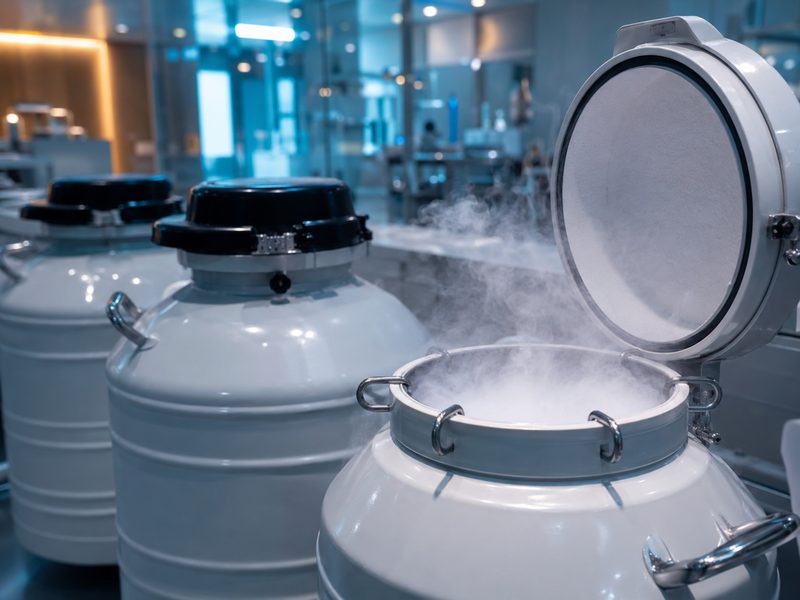
The process is identical to the first half of an IVF cycle: ovarian stimulation with injectable medications for 8–14 days, monitoring with ultrasound and blood work, and egg retrieval under light sedation. The retrieved eggs are then vitrified (flash-frozen) and stored in liquid nitrogen at -196°C. The entire process takes about two weeks.
What It Costs
| Country | Per Cycle | Annual Storage |
|---|---|---|
| United States | $10,000–$15,000 | $500–$1,000 |
| Colombia | $2,000–$4,000 | $200–$400 |
| Mexico | $3,000–$5,000 | $300–$600 |
| Czech Republic | $2,500–$4,000 | $200–$500 |
| Spain | $3,000–$5,000 | $300–$500 |
| Greece | $2,500–$4,000 | $200–$400 |
Who Should Consider It
Egg freezing is most effective for women under 35 — egg quality and quantity decline with age. Most fertility specialists recommend freezing 15–20 eggs to have a reasonable chance of a future pregnancy. This may require two cycles depending on your ovarian reserve.
The math on savings
Two egg freezing cycles in the US: ~$25,000. Two cycles in Colombia with flights and accommodation: ~$7,000–$10,000. The savings can fund an additional cycle — or storage for 20+ years.